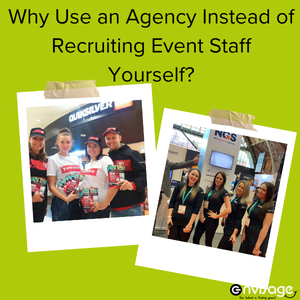
Why Use an Agency Instead of Recruiting Event Staff Yourself? If you are planning an…
How Does Event Staffing Work? A Practical Guide for Organisers in 2026
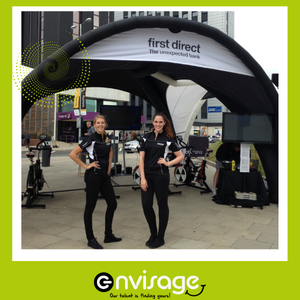
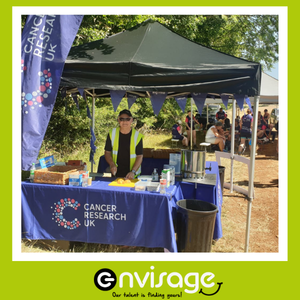
When most people think of event staff, they picture the high-visibility vests at festivals or football matches. But event staffing is much broader. It includes everyone you bring in for a short time to help your event run smoothly. This could be promotional teams handing out samples on the high street, exhibition staff talking to visitors at the NEC, hosts and registration teams greeting delegates, brand ambassadors at product launches, presenters on stage, and marshals or stewards keeping people safe. If you work with a staffing agency, you tell them what you need, and they handle finding, checking, briefing, and scheduling the right people. This way, you work with one organised team instead of managing lots of individuals yourself.
This guide explains how event staffing works from your first enquiry to the day of the event. We cover how to decide on team size, manage large groups, handle last-minute needs, and why proper briefings are important for every role.

What does an event staffing agency actually do?
An event staffing agency handles the time-consuming parts of staffing that organisers often overlook. They find people with the right skills and personality, check their right to work and qualifications, confirm availability, arrange uniforms and travel, replace anyone who drops out, and make sure everyone arrives on time and knows their job.
The skills needed for event staff vary a lot depending on the role. For example, a promotional team handing out samples needs energy and confidence to talk to strangers. Exhibition staff must qualify visitors, understand the product, and collect useful leads for the sales team. Hosts at a registration desk need to be calm and professional, marshals in car parks need clear instructions and a focus on safety, and costumed characters at family events need stamina and a sense of fun. A good agency will first ask about your goals before discussing numbers, since the right team for a brand activation is usually different from what you need for a large public event.
How many event staff do you need?
There is no single formula for how many staff you need at an event, and you should be careful with anyone who offers one without asking questions. While attendance is a good starting point, you also need to consider the event’s purpose, the space layout, the length of the day, and your audience. For example, an exhibition stand focused on quality conversations needs a different team than a street campaign aiming to reach thousands quickly. A conference with a short arrival window may need more registration staff than the headcount suggests.
One helpful way to decide on staff numbers is to walk through the visitor journey, from arrival to departure, and think about what you want staff to do at each stage. This could include welcoming, directing, demonstrating, answering questions, collecting contact details, or keeping the area safe. Plan for breaks and cover from the start, since a team of ten without relief is really a team of eight for much of the day. Also, remember that energy often drops in the last hours of a long event.
Managing large teams of temporary staff
Once a team grows beyond about twenty, the main challenge becomes keeping everyone connected. The best-run events usually have a simple structure: team leaders each manage a small group, one main contact supports everyone, and everyone knows who makes decisions if something unexpected happens. This is important for both multi-city roadshows and large single-site events. If staff are left to improvise, visitors may get mixed messages, which is a problem for branded events where consistency matters.e than they sound. A team with a clear schedule, a site map or route plan, the right contact numbers, and a straightforward way to flag problems will usually handle a surprise calmly, whereas a team with none of those things will quietly lose confidence as the day goes on.
Last-minute event staffing: what is realistic?
Last-minute requests are common in events. Maybe a sponsor adds an activation, ticket sales go up, or a supplier cancels. You can often handle these requests if you are clear about your needs and flexible on the details. The outcome depends on how quickly your agency can contact staff it already knows and trusts. That’s why established agencies with experienced teams are usually better prepared than those who start looking after you call.
Don’t let a late booking tempt you to skip the briefing. An untrained team rarely saves you time or trouble. If you are short on time, it’s better to focus on a few key tasks and make sure staff do them well, rather than filling every spot with unsure people.
Briefing temporary event staff properly
Temporary staff usually don’t know your product, venue, or audience when they arrive. The briefing is when individuals become a team. For promotional and exhibition staff, cover the key messages, product details, common visitor questions, and what makes a good lead. For operational staff, explain positions, routes, facilities, and what to do if there’s a problem. For all roles, include dress code, timings, breaks, and who to contact if something feels wrong.
In 2026, many agencies send key information ahead of time in a digital pack or message. This way, staff arrive already knowing the schedule and details, and the on-site briefing can focus on questions and a walk-through. Visitors quickly notice the difference: a confident, organised team makes the event feel smooth, while a confused team makes it seem like no one is in charge.
What is different about event staffing in 2026?
Two important changes to consider. First, safety expectations are higher, and with Martyn’s Law coming into effect, organisers must show they have planned for emergencies. Clear roles and good briefings are now part of your evidence as well as good practice. Second, lead times are shorter, and audiences expect more from staff, so organisers rely on agencies that can respond quickly and provide all types of roles from one reliable source.
A quick planning checklist
- Decide what each role should achieve, not just how many people you need.
- Walk the visitor journey and mark where staff will make the biggest difference.
- Check which roles need a licence or specific qualification.
- Plan breaks and cover into your numbers from the start.
- Agree a team structure and a single point of contact for the day.
- Send details to staff before the event, then brief on site.
Booking event staff through Envisage
If you need promotional teams, exhibition staff, hosts, brand ambassadors, marshals, or a mix of these, we can provide fully briefed people from your local area anywhere in the UK. Tell us about your event, and we’ll help you find the right team. Contact us
Frequently asked questions
- What types of event staff can you hire? – You can hire promotional staff, exhibition and conference staff, hosts and hostesses, brand ambassadors, presenters, costumed characters, marshals, stewards, and more. Many events use several of these roles together.
- How far ahead should I book event staff? – Book as early as possible, since the most experienced staff are booked first. However, you can often fill short-notice requests if you are flexible on the details.
Related Posts