Top 10 Things Event Planners Forget (Until It’s Too Late) Planning an event often feels…
The First 30 Seconds: How Exhibition Staff Make or Break a Visitor Interaction
Exhibitions move quickly. Visitors walk through aisles filled with stands, scanning for something that catches their attention. In most cases, they decide within seconds whether to stop or continue walking. That brief window is where success begins or ends.
The first 30 seconds of any interaction are critical. They set the tone, influence perception and determine whether a visitor becomes engaged or disengaged. While stand design and branding play a role, it is the exhibition staff who bring the experience to life.
This blog explores how first impressions, body language and opening conversations shape visitor interaction, and how getting these elements right can significantly improve your exhibition results.
Why the First 30 Seconds Matter at Exhibitions
Visitors at exhibitions are often short on time. They may have a list of stands to visit, meetings to attend or simply a limited attention span after hours of walking and talking.
Because of this, decisions are made quickly. A stand either feels welcoming and worth exploring, or it does not. The difference is often down to the people on the stand.
A positive first 30 seconds can:
- Encourage visitors to stop and engage
- Create a strong and professional first impression
- Set the tone for a meaningful conversation
- Increase the likelihood of capturing a lead
A poor first impression, on the other hand, can mean a missed opportunity before a conversation even begins.
The Role of Exhibition Staff in First Impressions
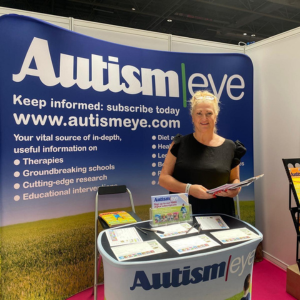
Your exhibition staff are the first point of human contact. They represent your brand before any detailed conversation takes place. Visitors often judge a stand based on how approachable, attentive and confident the team appears.
Even before speaking, visitors observe:
- Whether staff are engaged or distracted
- Whether they look welcoming or closed off
- Whether the stand feels active or quiet
This means that first impressions begin before a single word is spoken.
Body Language: The Silent Influencer
Body language is one of the most powerful tools exhibition staff have, yet it is often overlooked. It communicates instantly and shapes how visitors feel about approaching your stand.
Open and welcoming posture
Standing upright, facing the aisle and maintaining a relaxed stance signals that you are approachable and ready to engage.
Eye contact
A simple glance and acknowledgement can be enough to invite a visitor closer.
Positive facial expression
A genuine smile creates warmth and reduces hesitation.
Avoiding closed signals
Looking at phones, folding arms or standing in groups can unintentionally create barriers.
Good body language does not need to be exaggerated. It simply needs to be natural, attentive and aligned with a welcoming attitude.
The Importance of the Opening Conversation
Once a visitor stops, the opening few words are just as important as body language. This is where the interaction either develops or fades quickly.
Effective opening conversations are:
- Simple and natural
- Relevant to the setting
- Non-intrusive
- Open enough to invite a response
Rather than a rehearsed sales pitch, the best exhibition staff use conversational openers such as:
“What’s brought you to the show today?”
“Have you seen anything interesting so far?”
“Can I give you a quick overview of what we do?”
These types of questions feel more human and less transactional. They create space for a genuine exchange rather than a one-sided pitch.

Common Mistakes in the First 30 Seconds
Even experienced teams can fall into habits that weaken their impact. Common mistakes include:
Waiting for visitors to approach
Passive behaviour often leads to missed opportunities.
Overly aggressive introductions
Approaching too strongly can make visitors uncomfortable.
Lack of awareness
Failing to notice when someone is hovering or waiting.
Generic or scripted openings
These can feel impersonal and disengaging.
Recognising these behaviours is the first step towards improving performance.
Myth: Exhibition Staff Just Need to “Be Friendly”
There is a common misconception that being friendly is enough to succeed as exhibition staff. While friendliness is important, it is only one part of the equation.
The reality is that effective exhibition staff combine:
- Awareness of their surroundings
- Strong communication skills
- Confidence in approaching visitors
- The ability to adapt to different personalities
- Professional presentation and consistency
It is not just about being approachable. It is about knowing how to engage, guide and respond in a way that supports your exhibition objectives.
How Professional Exhibition Staff Elevate Interaction
Trained exhibition staff understand the rhythm of an event. They know when to step forward and when to give space. They recognise different types of visitors and adjust their approach accordingly.
They help to:
- Create a welcoming environment
- Manage visitor flow effectively
- Support meaningful conversations
- Maintain consistent energy throughout the day
This level of awareness and professionalism often makes a noticeable difference to how a stand performs.
How Envisage Promotions Supports Exhibition Success
At Envisage Promotions, we understand that the first 30 seconds can define the outcome of an interaction. Our exhibition staff are selected not only for their presentation, but for their ability to engage naturally and represent brands with confidence.
We provide experienced:
- Brand ambassadors
- Lead generators
- Hospitality and hostess staff
- Promotional teams
Our focus is on matching the right people to your brand and ensuring they are well prepared to create a positive and professional visitor experience. Whether supporting a busy trade show or a consumer exhibition, our staff are trained to help maximise engagement from the moment visitors approach your stand.
Top 10 Tips: Making the Most of the First 30 Seconds
1. Be visible and approachable
Position staff at the front of the stand where they can easily engage visitors.
2. Use natural body language
Stand openly, make eye contact and avoid closed or distracted behaviour.
3. Smile and acknowledge visitors
A simple recognition can make someone feel welcome enough to stop.
4. Start with a light, open question
Avoid heavy or sales-focused introductions.
5. Read the visitor’s cues
Adjust your approach based on their body language and interest level.
6. Keep your opening clear and concise
Avoid overwhelming visitors with too much information too quickly.
7. Stay present and attentive
Avoid phones or internal conversations when on the stand.
8. Maintain consistent energy
Ensure your approach does not drop as the day progresses.
9. Work as a team
Be aware of colleagues and support each other during busy periods.
10. Practice and refine your approach
Review what works and improve for future events.
Small Moments, give a Big Impact
The first 30 seconds of a visitor interaction may seem brief, but they carry significant weight. They influence whether a conversation begins, how a brand is perceived and whether an opportunity develops further.
By focusing on body language, opening conversations and overall presence, exhibition staff can transform quick encounters into meaningful engagement. When done well, these small moments create lasting impressions and contribute directly to exhibition success.
Related Posts