How to Choose the Right Event Staff for Your Event Preview: Choosing event staff is not…
There’s a particular kind of panic that sets in around late September, when you realise your Halloween trail, half-term programme or Bonfire Night event is only a few weeks away and your usual team is nowhere near big enough to run it. You’re not alone in that. Every venue, attraction, town centre and community organiser chasing the autumn crowds hits the same wall eventually, and the ones who get through it calmly are almost never the ones with the biggest budgets. They’re the ones who worked out early on exactly where their event was going to need extra event staff, and got the right people booked in before the panic had a chance to start.
That’s really what this comes down to. Halloween has grown well beyond a single evening of trick or treating, half term gives you several days to fill rather than just a weekend, and Bonfire Night still pulls in some of the biggest crowds you’ll see all year, whether you’re a National Trust property running a trail, a Warwick Castle or Alton Towers extending your season into the dark evenings, or a town centre trying to get families past your local shops and cafés. It’s a genuinely brilliant opportunity. It’s also, if your staffing plan is an afterthought, the exact point where a good event tips over into a stressful one. So before you get anywhere near a rota, it’s worth understanding what your event actually needs, where the pressure points usually show up after dark, and why the organisers who look effortless on the night almost always planned their people first.


Start with the visitor journey, not a headcount
It’s tempting to think about staffing as a number, but you’ll get a far better result if you walk through the visitor’s experience first and work backwards. What happens the moment someone arrives? Where might they get confused, queue for too long, or need reassurance? Once you’ve mapped that out, the gaps tend to show themselves.
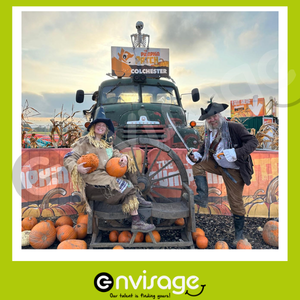
For a family Halloween trail, your priorities probably look quite different from an evening scare attraction aimed at teenagers and adults, and that’s exactly the point. Event staff can welcome people in and keep things moving, ticketing staff can handle admissions and bookings without a bottleneck forming at the gate, and wayfinders earn their keep the moment the light starts to fade and your site becomes harder to navigate than it looked on your walk-round in daylight. If you’re running something more immersive, costumed performers and actors stop being “extra staff” and become part of the experience itself, turning a walk through your venue into something people actually talk about afterwards.
Bonfire Night brings its own pressures
Where Halloween is about atmosphere, Bonfire Night is usually about volume. You’re often dealing with a huge number of people arriving in a short window, which means your crowd management plan needs people who can actually deliver it on the night. Marshals and stewards directing visitors, supporting queues and holding your designated routes make an enormous difference, and if you’re expecting cars, you’ll want marshals covering that too, particularly if you’re out in a rural spot or on a sports ground without proper parking infrastructure.
Darkness changes everything here as well. A route that felt obvious when you checked the site in daylight can become genuinely difficult for a few thousand people to follow on a cold November evening, so it’s worth having stewards positioned as informal information points, helping people find toilets, food, viewing areas and the way out, alongside your security team rather than instead of them.
Why bring in extra people rather than stretch your own team
There’s a real temptation to lean on your existing staff to cover the extra load, but that usually asks a lot of a team who aren’t necessarily used to extended hours, evening shifts or several demanding days back to back. Temporary event staff exist to solve exactly this problem: scaling up for the period you actually need it, without creating a permanent staffing commitment once your event has finished. Good temporary staff are used to walking into an unfamiliar venue, taking a brief, and being useful within minutes, which takes a lot of pressure off you in the run-up. Where possible, using local staff adds another layer too, since people who already know the area and its transport links tend to be genuinely helpful to visitors who don’t.
Getting the return you’re looking for
Success doesn’t have to mean ticket sales alone. It might mean more families visiting during half term, longer dwell times, a busier high street, or simply a community event that people look forward to every year. A heritage site might use Halloween to pull families in during the school break, a BID might build a trail that takes people past local independents, and a Bonfire Night event might become the date your community marks every autumn, quietly generating revenue through catering and activities along the way. There’s a longer game here too, because visitors who have a good experience remember it, talk about it, and come back for the next one.
Halloween, half term and Bonfire Night give you a genuine chance to extend your season and create something people remember, but the experience only feels effortless if the people behind it have been planned for properly. Think about your staffing early, build it around the visitor journey rather than a rough guess at numbers, and bring in experienced temporary staff to cover the gap between your usual team and what an autumn event actually needs.
FAQs
How far in advance should we book event staff for Halloween or Bonfire Night? As early as you can. The earlier you confirm numbers, the easier it is to build a team around your event rather than plugging gaps at the last minute.
Do we need security staff as well as event staff for a Bonfire Night event? Often yes. Stewards and marshals support your crowd management plan, but they aren’t a substitute for licensed security personnel where security duties are genuinely required.
Can temporary staff work well at a venue they’ve never visited before? Experienced temporary event staff are used to this. A good brief and a walk of the site is usually enough for them to become operational quickly.
Related Posts