How to Build a Reliable Event Staff Team A successful brand event only works when…
Looking Ahead: How to Plan Your Exhibition Staffing for the Year Ahead
As the year draws to a close, many businesses begin reflecting on what worked well and what could be improved. For companies that exhibit regularly, this is the ideal moment to review event performance and start planning for the year ahead. One of the most important, yet often underestimated, areas of planning is exhibition staffing.
Exhibitions are fast-paced environments where first impressions matter. The people representing your brand play a critical role in how visitors perceive your business, how conversations unfold, and whether interest turns into opportunity. Planning your exhibition staffing early helps ensure consistency, professionalism, and better outcomes across your event calendar.
This blog explores why early planning matters, what to consider when reviewing your staffing needs, and how to prepare effectively for the exhibitions ahead.
Why Early Exhibition Staffing Planning Matters
Many businesses focus on stand design, logistics, and marketing well in advance, but leave staffing decisions until the last minute. This approach often leads to rushed choices, limited availability, and missed opportunities.
Planning your exhibition staffing early allows you to secure experienced staff who are well suited to your brand and objectives. It also gives you time to assess what type of support you need for different events, whether that is hospitality staff, brand ambassadors, lead generators, or product demonstrators.
Early planning also helps with budgeting. When staffing is considered as part of the wider event strategy, it becomes easier to allocate resources appropriately and avoid unexpected costs closer to the event.
Reviewing the Past Year Before Planning Ahead
Before looking forward, it is worth reflecting on your recent exhibitions. Reviewing past events helps identify patterns and areas for improvement.
Consider questions such as:
-
Were your stands consistently busy or quiet at certain times?
-
Did your internal team feel stretched during events?
-
Were visitors greeted promptly and professionally?
-
Did staffing levels match visitor footfall?
-
Were leads captured effectively?
Feedback from your team is particularly valuable. Sales staff, managers, and hospitality teams often have clear insights into what worked well and where additional support would have helped. These observations should inform how you plan staffing for future exhibitions.
Understanding Your Exhibition Goals for the Year Ahead
Every exhibition has a purpose, and staffing should always support that goal. Some events focus on lead generation, while others prioritise brand awareness, product launches, or relationship building.
Clarifying your objectives early helps determine the type of exhibition staff you need. For example:
-
Lead-driven events benefit from staff trained in qualifying and capturing prospects.
-
Brand-focused exhibitions often require confident brand ambassadors who can engage visitors naturally.
-
Client-facing events are well supported by professional hospitality staff who manage meetings and visitor flow.
When goals are clear, staffing decisions become more strategic rather than reactive.
Matching Exhibition Staff to Different Event Types
Not all exhibitions are the same, and staffing should reflect the nature of each event. A large trade show at a major venue will place different demands on your team than a smaller, niche exhibition.
Key considerations include:
-
Expected visitor numbers
-
Length of event days
-
Audience type and industry
-
Level of interaction required
-
Presence of VIPs or scheduled meetings
Busy exhibitions often require additional staff simply to manage the volume of visitors. Hospitality and hostess staff are particularly valuable in these settings, ensuring guests are welcomed, guided, and looked after while your sales team focuses on conversations.
Why Relying Solely on Internal Teams Can Be Challenging
While internal staff bring product knowledge and familiarity with the business, exhibitions demand sustained energy, strong interpersonal skills, and the ability to manage multiple responsibilities at once.
Common challenges include:
-
Sales staff being distracted by hospitality tasks
-
Fatigue during long exhibition days
-
Inconsistent visitor engagement
-
Difficulty managing peak footfall periods
By planning to use professional exhibition staff alongside your internal team, you create a balanced approach. External staff support visitor experience and stand organisation, allowing your team to focus on meaningful interactions and business development.
The Value of Consistency Across Your Exhibition Calendar
For businesses attending multiple exhibitions each year, consistency becomes increasingly important. Visitors may encounter your brand at different events, and a consistent level of professionalism helps build trust and recognition.
Planning your staffing approach early allows you to:
-
Maintain consistent brand representation
-
Use staff familiar with your messaging
-
Apply lessons learned from previous events
-
Improve efficiency across multiple exhibitions
Consistency also benefits your internal team, as they know what to expect and can work more effectively with a well-prepared support team.
Preparing Briefings and Expectations in Advance
Once staffing plans are in place, preparation becomes key. Clear briefings ensure everyone understands their role, the event objectives, and how success will be measured.
Effective briefings typically cover:
-
Brand values and tone of voice
-
Key messages and talking points
-
Visitor profiles
-
Stand layout and flow
-
Responsibilities and boundaries
Planning this in advance reduces stress closer to the event and ensures your exhibition staff arrive confident and aligned with your goals.
Looking Ahead to a Busy Exhibition Year
January is often when exhibition schedules begin to fill quickly. Many popular events sell out early, and staffing availability can become limited as the year progresses.
By planning your exhibition staffing now, you put yourself in a stronger position to:
-
Secure experienced staff
-
Adapt staffing levels to different events
-
Avoid last-minute decisions
-
Improve overall event performance
Exhibitions are a significant investment, and staffing plays a major role in determining their success.
Start the Year Prepared, Not Rushed
Planning your exhibition staffing for the year ahead is about more than logistics. It is about creating a professional, welcoming, and effective presence at every event you attend. By reviewing past performance, defining clear goals, and preparing early, you set your exhibitions up for stronger engagement and better results.
A well-planned staffing strategy supports your team, enhances visitor experience, and ensures your brand is represented consistently throughout the year.
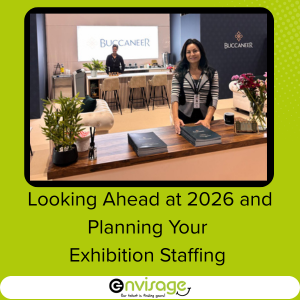
Top Tips for Planning Exhibition Staffing
-
Review feedback from previous exhibitions
-
Match staff roles to event objectives
-
Plan staffing levels around expected footfall
-
Allow time for proper briefings
-
Treat staffing as part of your overall event strategy
Related Posts