There's a particular kind of panic that sets in around late September, when you realise…
What Event Support Do You Actually Need for a Successful Event?
Planning an event can feel like spinning plates. There are timelines to manage, stakeholders to please, budgets to stick to and, of course, the pressure to deliver something that actually works.
Most businesses focus heavily on the visible elements the stand design, the venue, the branding. But what often makes the real difference sits slightly behind the scenes: the right support, at the right time, from the right people.
Whether you’re organising an exhibition, a brand activation, a corporate event or a public-facing promotion, success rarely comes down to one big decision. It’s the combination of small, well-executed details across the entire event journey.
So, what event support do you actually need?
Let’s break it down into three key stages: before, during and after your event.
Before the Event: Planning, Booking and Getting the Foundations Right
Start With the Outcome, Not the Logistics
Before thinking about staffing numbers or job roles, it’s worth asking a simple question:
What does success look like for this event?
- Lead generation?
- Brand awareness?
- Product launches?
- Customer engagement?
Your answer will shape everything especially the type of support you need.
For example, a lead generation event may require confident, proactive staff who are comfortable initiating conversations. A brand awareness campaign, on the other hand, might focus more on energy, visibility and creating a buzz.
Choosing the Right Roles (Not Just “Extra Hands”)
One of the most common mistakes businesses make is treating event staff as interchangeable.
In reality, different roles serve very different purposes:
- Promotional staff to attract and engage
- Brand ambassadors to represent your messaging
- Actors or performers to create memorable experiences
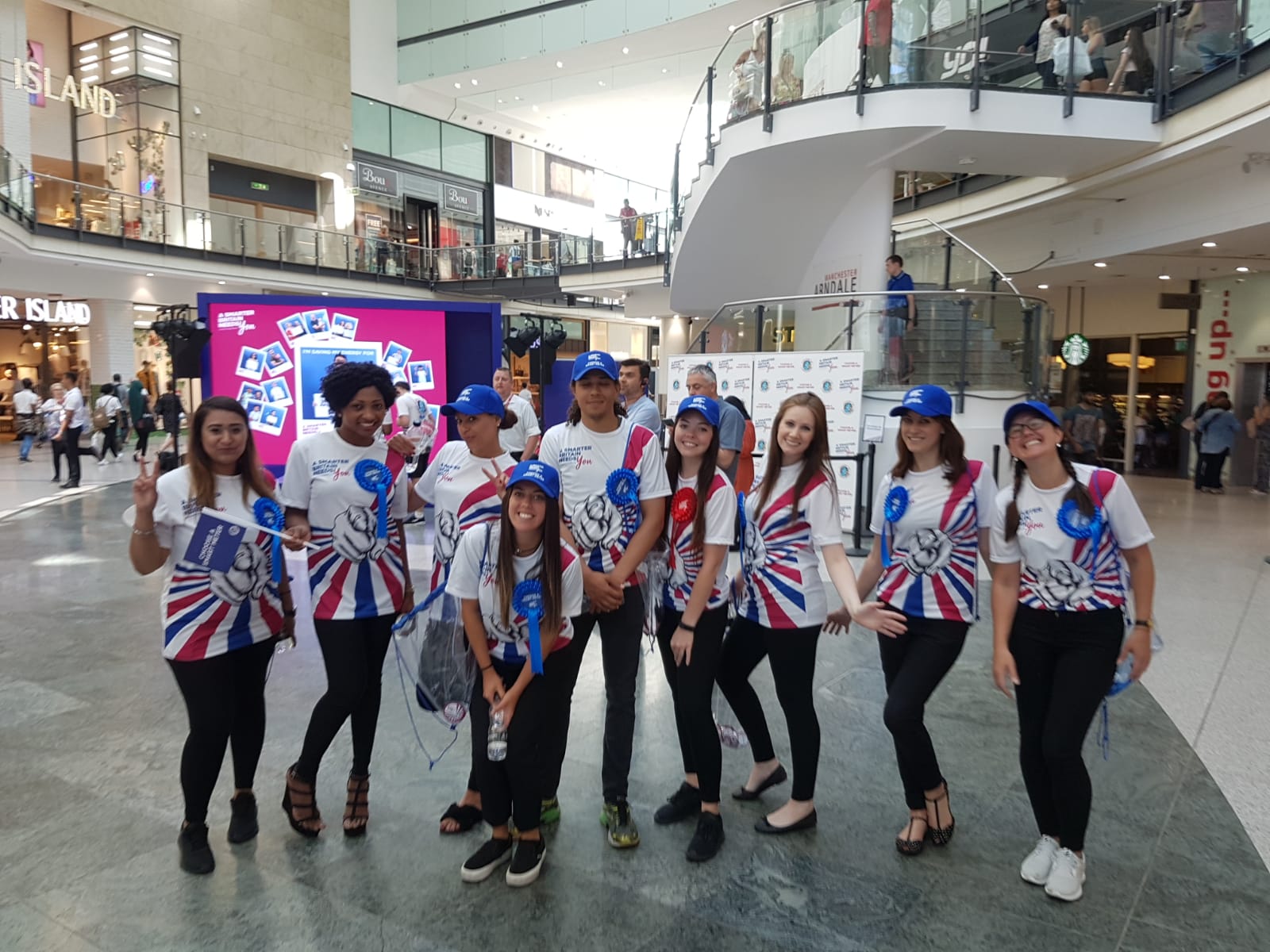
- Hosts and hostesses to welcome and guide visitors
- Supervisors or team leaders to keep everything running smoothly
Getting this mix right early on can save a lot of stress later.
It’s not about having more staff, it’s about having the right staff.
Booking Early vs Last-Minute: Why It Matters
We understand that event planning doesn’t always follow a perfect timeline. However, early booking brings clear advantages:
- Greater choice of experienced staff
- More time for briefing and alignment
- Reduced risk of last-minute gaps
Last-minute bookings can absolutely be supported, but they often come with limitations particularly during peak event seasons across the UK.
The Importance of a Proper Brief
Even the best staff can only perform as well as the brief they’re given.
A strong event brief should include:
- Clear objectives
- Target audience
- Key messaging
- Tone of voice
- Practical logistics (timings, dress code, location)
This is where good support makes a real difference. Having guidance on how to structure a brief or even help refining it can significantly improve outcomes on the day.
Thinking Beyond the Obvious
At this stage, it’s also worth considering elements that are often overlooked:
- Who is managing breaks and shift rotations?
- Who steps in if footfall spikes unexpectedly?
- Who handles difficult situations or disengaged visitors?
Planning for these scenarios early creates a smoother, more professional experience later.
During the Event: Delivery, Energy and Adaptability
The First 30 Minutes Matter More Than You Think
The opening phase of your event sets the tone for everything that follows.
Strong support during this window can:
- Create immediate energy
- Attract early visitors
- Build momentum before peak times
Staff who are confident, well-briefed and proactive can transform a quiet start into a strong one.
It’s Not Just About Being There — It’s About Engagement
There’s a big difference between staff who are present and staff who are engaging.
Great event staff will:
- Initiate conversations naturally
- Read body language and approach at the right moment
- Adapt their tone depending on the audience
- Keep energy levels consistent throughout the day
This is where experience really shows. It’s not scripted it’s intuitive.
Managing the Flow of the Event
Behind every smooth event is someone (or a team) quietly keeping things on track.
This includes:
- Coordinating staff positions
- Adjusting roles during busy or quiet periods
- Ensuring breaks are covered
- Maintaining consistent standards
Without this level of oversight, even well-planned events can start to feel disjointed.
Flexibility Is Key
No event runs exactly as planned.
Footfall might spike unexpectedly. Weather might change. Timings might shift.
Having flexible, adaptable support allows you to respond in real time without compromising the visitor experience.
This could mean:
- Repositioning staff to busier areas
- Increasing engagement efforts during quieter periods
- Handling unexpected challenges calmly and professionally
Protecting Your Brand in Real Time
Your event staff are often the first and only interaction a visitor has with your brand.
That means they are not just “helping out” — they are actively shaping perception.
Consistency matters:
- Tone of voice
- Appearance
- Energy
- Knowledge
Strong support ensures that your brand is represented professionally from start to finish.
After the Event: Feedback, Insights and Continuous Improvement
Don’t Let the Learning Go to Waste
Once the event ends, it’s tempting to move straight on to the next project.
However, this is where some of the most valuable insights can be gathered.
Post-event support should include:
- Feedback from staff on what worked well
- Observations on visitor behaviour
- Identification of challenges or missed opportunities
Understanding What Actually Worked
It’s easy to measure surface-level success footfall numbers, leads collected, social media activity.
But deeper insights often tell a more useful story:
- Which conversations converted best?
- What times of day were most effective?
- Which approaches generated the strongest engagement?
These insights can directly inform future planning.
Refining Your Approach for Next Time
No event is perfect and that’s a good thing.
Each one is an opportunity to refine:
- Staffing levels
- Role allocation
- Messaging
- Engagement techniques
Businesses that take the time to review and adjust tend to see stronger results over time.
Building a More Reliable Event Strategy
Over time, consistent support helps build a more predictable, reliable approach to events.
Instead of starting from scratch each time, you begin to develop:
- A clearer understanding of what works
- Trusted staff and processes
- More efficient planning timelines
This reduces stress and improves outcomes across the board.
Where Professional Support Makes the Difference
At every stage before, during and after the right support acts as a safety net, a performance boost and a strategic advantage all at once.
At Envisage Promotions, we work closely with businesses across the UK to provide experienced, reliable and well-briefed staff for events of all sizes.
But more importantly, we aim to support the whole process not just the moment someone arrives on site.
That might mean:
- Helping you choose the right roles
- Advising on staffing levels
- Supporting with briefs and expectations
- Providing dependable, professional people on the day
- Offering feedback and insights afterwards
Because ultimately, successful events aren’t just about showing up they’re about delivering a consistent, engaging and well-managed experience from start to finish.
Think Beyond the Event Itself
The most successful events don’t happen by accident.
They are built on thoughtful planning, strong delivery and continuous improvement supported by the right people at every stage.
If you’re planning an event, it’s worth asking not just what you need, but when you need it.
Because the right support, at the right time, can be the difference between an event that simply happens… and one that truly delivers.
Related Posts