There's a particular kind of panic that sets in around late September, when you realise…
What Do Marshals and Stewards Do at Events?
If you have been to a festival, a football match or a fun run, you will have seen marshals and stewards in their high-visibility tabards. Most visitors only speak to them when they need directions, but there is a lot more to the job than that. A good marshal spends much of the day keeping an eye on how people are moving around the site and letting the event team know when something needs attention.
In this guide, we look at what the role involves, how it changes from one type of event to another, and where stewarding stops and licensed security work begins.
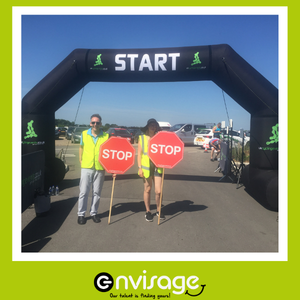
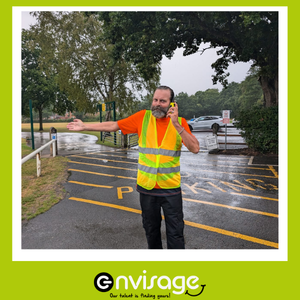
Marshal or steward: is there a difference?
In practice, not really. Across UK events the two job titles are used almost interchangeably. Some organisers use “steward” for staff working inside a venue and “marshal” for outdoor positions such as car parks or race routes, but there is no fixed rule, and you will often see the same duties advertised under either title.
What really matters is the brief each person is given. A marshal in a car park and a steward at a stadium entrance will have very different days, whatever their job title says.
What marshals and stewards do during an event
Every event is different, but most of the work falls into four main areas.
Managing crowd movement
People rarely spread themselves evenly across an event site. They tend to arrive in waves, gather around the main attractions and take whichever route looks quickest. The busiest moments usually come when one part of the programme ends and another begins. The end of a headline set or the final whistle at a football match can send thousands of people towards the same exits within a few minutes.
Marshals positioned at junctions, pinch points and stage approaches can guide people onto alternative routes and spot congestion while it is still building.
Entrances, exits and queues
Entrances are often the busiest part of the day. Large numbers of people arrive in a short space of time, and many of them have questions about tickets, accessibility or what they are allowed to bring in. Stewards help by directing visitors to the right gate, keeping queues moving and dealing with those questions so the line does not grind to a halt.
The same applies at the end of the event. A gate that copes easily with a steady trickle of people can struggle when the whole crowd decides to leave at once, so marshals keep exit routes clear and point people towards transport, car parks or alternative exits, in line with the event plan.
Answering questions and giving directions
Visitors will usually have plenty of questions throughout the day, such as where the toilets are, which way to go for the main stage or where to find first aid. Each one might seem small, but at a large event, a lot of people wandering around looking for something can add noticeably to the crowds on busy routes.
A well-briefed steward can answer most of these questions on the spot. To do that, they need to know the whole site, not only their own position, which is one of the reasons a good briefing before the event is so important.
Keeping the event team informed
Marshals on the ground often notice things long before they would be spotted from a control room. It might be a path that is gradually becoming congested, something blocking an emergency route, visitors who keep getting lost at the same spot, or someone who looks as though they need help.
Knowing what to report, who to report it to and how quickly it needs passing on is a big part of the job. It means the event team can respond together, rather than individual staff having to decide what to do on their own.
Common types of marshal
Depending on the event, you may come across marshals in a range of different roles. Here are some of the most common.
| Role | Where you will find them | Main focus |
|---|---|---|
| Crowd marshal | Festivals, concerts, public celebrations | Crowd flow, pinch points and queues |
| Car park marshal | Shows, festivals, seasonal attractions | Directing vehicles and pedestrians safely |
| Route marshal | Fun runs, cycle events, charity walks | Keeping participants on course and the public clear of the route |
| Stage or arena marshal | Concerts and festivals | Access to and around stage areas, keeping walkways clear |
| Safety steward | Stadiums and sports grounds | Spectator safety in stands, concourses and exits |
If your event needs staff to manage vehicles as well as people, take a look at our car park staff service.
How the role changes by type of event
The core of the job stays the same wherever marshals are working, but the day itself can look quite different depending on the event.
Festivals
A festival site rarely stays the same for long. Crowd patterns shift with the programme, the weather, mealtimes and the times of the last trains home, and campsites bring a second busy period late into the evening. Festival marshals spend a lot of their shift adapting to situations that nobody could have predicted that morning. If you are planning a festival, our festival staffing page covers the wider range of roles you are likely to need.
Sporting fixtures
Sports crowds tend to be more predictable. Spectators arrive within a set window, make their way to their seats, move around at half-time and then leave together at the end. Stewards at sports grounds follow the venue’s own safety procedures, and a good part of their day is spent on customer service, such as helping people find their seats, answering questions and knowing when to pass an issue on to a supervisor.
Community and seasonal events
Smaller events come with their own challenges, often because they take place in spaces that were never designed for crowds, such as town centre streets or parks. Seasonal events are a good example, and we have written a separate guide to stewarding at Christmas markets.
What happens in an emergency?
Marshals and stewards often have specific jobs to do if something goes wrong. That might mean guiding visitors along an evacuation route, keeping an access point clear for emergency vehicles or stopping people from entering an affected area.
These duties should always be agreed before the event and covered in the briefing, so that everyone knows exactly what is expected of them. It is also worth being clear that marshals support the event’s safety plan. They are not a substitute for medical teams, security staff or the emergency services.
How are marshals different from security staff?
This is one of the questions we are asked most often. Marshals and stewards look after visitor safety, information and crowd movement, while security staff carry out security duties, some of which legally require a licence from the Security Industry Authority (SIA).
Most stewarding work does not need a licence. What decides it is the work itself rather than the job title. If a position involves licensable activity, such as door supervision at a venue licensed to sell alcohol, the person doing it needs an SIA licence, whatever the rota calls them. For that reason, it is best to decide which positions need licensed staff at the planning stage. On the day, if a steward sees behaviour that needs a security response, they report it so that licensed event security staff can deal with it.
Why the briefing matters
However experienced a marshal is, they will arrive at a new site knowing nothing about its layout, its procedures or its particular risks. The briefing fills that gap. It tells them where they will be positioned, the key routes and facilities, how to report problems and who to escalate them to, along with anything specific to that event or audience.
A well-briefed team also gives visitors consistent answers. Visitors quickly lose confidence if two members of staff give them different directions to the same place.
“The marshals who do the best job are the ones who get a proper briefing from the client’s team when they arrive. Nobody knows the venue and the schedule better than the people who planned it, so we always remind our clients to make time for that.”
Bradley Jack , Account Manager at Envisage Agency
When we supply staff through our event marshal and steward staffing service, we pass your event brief on to your hired marshals before the day, so they arrive knowing where to be and when, ready for your team to take them through the finer details on site.
Booking Marshals and Stewards through Envisage
Planning an event and need marshals or stewards? We can supply fully briefed staff from your local area, wherever you are in the UK. Tell us about your event and we will help you work out the team you need. Click here for more information about booking marshals and stewards through Envisage
Related Posts